



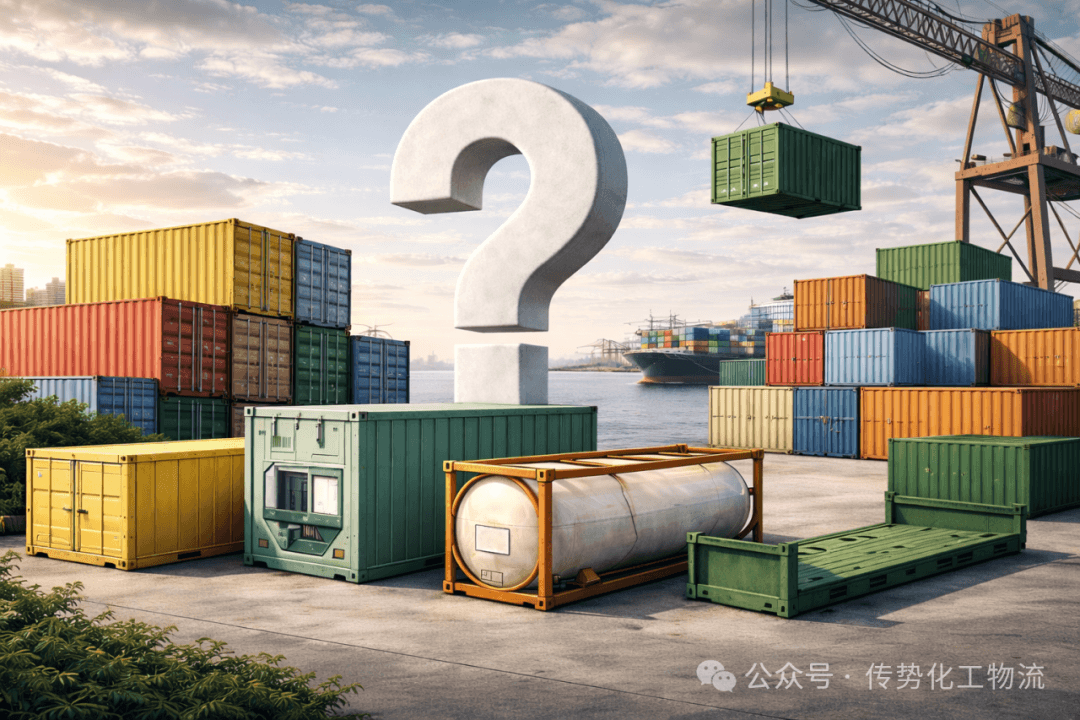
In international logistics, many people think: a container is just a "tool for loading goods". But in fact: the container itself is part of the transportation solution.
Choosing the wrong container type may lead to:
❌ Unable to load all goods
❌ Unable to load goods at all
❌ Increased costs
❌ Even unable to transport
PART.ONE
These are the most common and widely used container types in international logistics
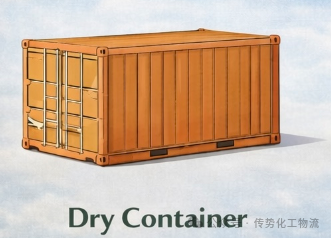
Dry Van Container
The most basic and universal standard container
Suitable for: textiles, electronic products, packaged goods, etc.
High versatility and low cost
Suitable for the transportation of most non-dangerous goods
Keywords: Standard / Universal / Cost-effective
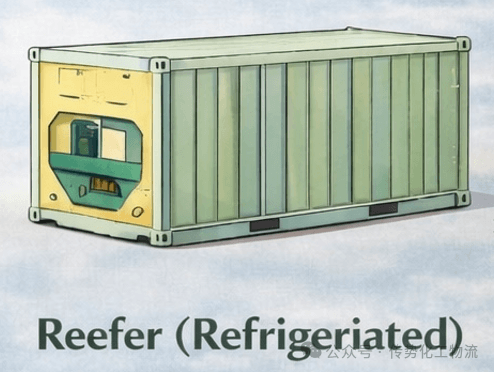
Reefer Container
Core solution for temperature-controlled goods
Suitable for: food, dairy products, pharmaceutical products, etc.
Full temperature control to ensure cargo quality
Basic equipment for cold chain transportation
Keywords: Temperature Control / Cold Chain / Safety
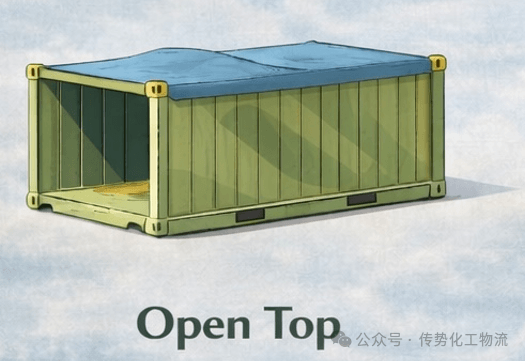
Open Top Container
Solving the problem of "unable to load"
Suitable for: ultra-high equipment, heavy machinery, etc.
Can be lifted from the top
Flexible response to non-standard size goods
Keywords: Lifting / Ultra-high Cargo / Flexibility
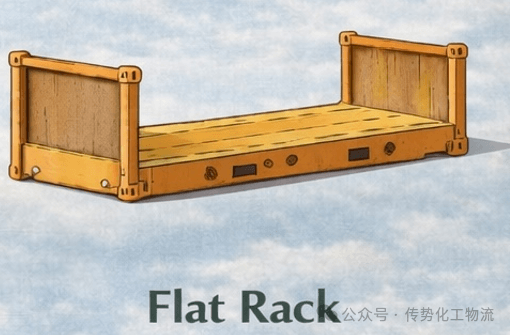
Flat Rack Container
Designed for oversized and special-shaped cargo
Suitable for: vehicles, steel pipes, engineering equipment, etc.
No side wall structure, only base + end plates
Suitable for Out of Gauge (OOG) transportation
Keywords: Oversized / Engineering Cargo / Breakbulk Transportation
PART.TWO
When standard containers cannot meet the requirements,it is necessary to use "Specialized Containers"
Especially in the transportation of chemicals, liquids and sensitive goods
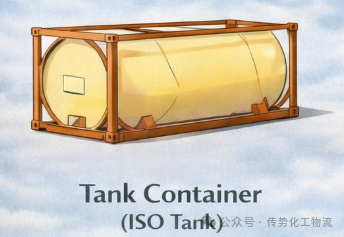
Tank Container
Core equipment for liquid and chemical transportation
Suitable for: liquid chemicals, agrochemicals, gases, etc.
Fully enclosed structure for safer transportation
Can be directly filled → unloaded at destination
Compared with barrels/IBC, it greatly reduces packaging and residual costs
Keywords: Safety / Environmental Protection / Cost Reduction
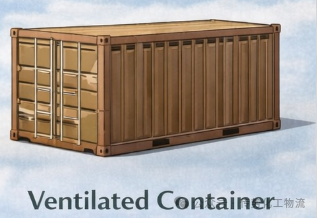
Ventilated Container
Special for goods that "need to breathe"
Suitable for: coffee, cocoa, agricultural products, etc.
Maintain air circulation to prevent moisture and mildew
Suitable for long-term transportation
Keywords: Ventilation / Moistureproof / Quality Preservation
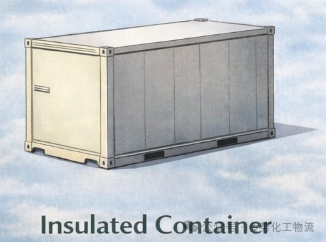
Insulated Container
Unpowered temperature control solution
Suitable for: short-distance or temperature-sensitive goods
No power supply required, maintaining stable temperature
Lower cost than reefer containers
Keywords: Stable Temperature / Economic Solution
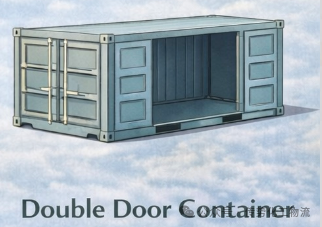
Double Door Container
Structural design to improve loading and unloading efficiency
Doors can be opened at both ends
Improve loading and unloading efficiency
Suitable for project cargo, oversized equipment, etc.
Keywords: High Efficiency / Flexible Loading & Unloading
A container is not a "tool for loading goods", but a "transportation solution."
Different goods correspond to different choices:
• General cargo → Standard container
• Temperature-controlled cargo → Reefer container
• Oversized cargo → Open Top / Flat Rack container
• Liquid chemicals → ISO Tank
Every choice will directly affect:
✔ Cost
✔ Safety
✔ Whether the shipment can be carried out smoothly
In actual operation, many problems are not: "Can it be transported?"
But: "What way to transport?"
This is why: The seemingly simple choice of container is essentially a professional judgment.


