



In the agrochemical industry, many customers have a question:
Why is pesticide export so complicated?

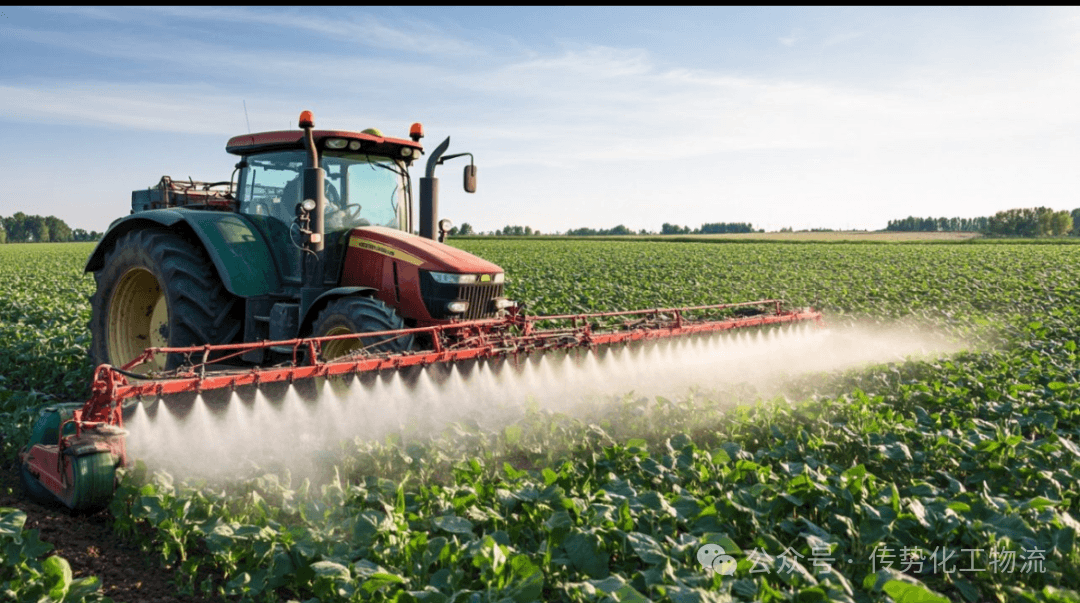
They all seem to be "pesticides", but in actual operation, it is far from that simple.Especially for enterprises engaged in international trade and DG cargos logistics, they will deeply feel:
Pesticide export is essentially an industry with "strong regulation + multiple variables".
Where lies the difficulty
Many people think pesticide export is just "booking space + customs declaration + delivery",but in fact, pesticide export is affected by multiple factors:
✅ Different origins
Pesticides produced in different countries/regions have differences in production standards, registration requirements and ingredient specifications.
✅ Different importing countries (registration differences)
Pesticides are highly regulated products, and almost all countries require:
•Product Registration
•Compliance review of ingredients
•Restrictions on scope of use
The same product may be salable in some countries but completely prohibited from entering others
✅ Different product names (UN classification differences)
Pesticides are usually classified as DG cargos (e.g., Class 6.1, Class 9, etc.),and different product names correspond to different:
UN number
•Hazard class
•Packaging requirements
•Transport restrictions
✨ Direct impacts:
Whether orders can be accepted, whether the goods can be shipped via a certain route

Content differences
This is the place where many customers are most likely to overlook and "step into pitfalls"
The same product name with different contents may be completely different goods.A difference between 90% and 95% may directly affect the export eligibility for some categories.
Why does this happen?
Because changes in content will directly affect:
① Changes in DG cargos classification
Increased content → changes in toxicity/hazard level,which may lead to classification changes from ordinary DG cargos to high-risk goods
or even inclusion in the "special control list"
② Changes in regulatory policies
For high-concentration products in some countries/ports:
•Transport restrictions
•Mandatory special declaration
•Or direct prohibition
③ Differences in warehouse and port operations
Taking Shanghai Port as an example, products with different hazard levels have obvious differences in warehousing, declaration and shipping methods.
Some high-risk or high-concentration products require stricter operation modes (such as DG cargos warehouses or direct loading).
Professional logistics
Precisely because of these complex variables in pesticide export
"Goods that look the same" are actually completely different
A professional agrochemical logistics team needs to judge:
✔️ Whether it meets export conditions
✔️ Whether it is on the special UN list
✔️ Whether it belongs to high-risk category
✔️ Whether it can be shipped via a certain route
✔️ Whether special warehousing/direct loading is required
Otherwise, it is easy to encounter:
❌ Customs declaration being stuck
❌ Port rejection
❌ Shipping company refusal to carry
❌ Significant increase in costs
The difficulty of pesticide export does not lie in transportation,
but in "compliance".
The same product may correspond to completely different regulatory systems due to different origins,different countries,different product names,and different contents.
In global agrochemical trade, according to industry data,China supplies more than 60% of the demand, but the prerequisite for successfully delivering goods to the destination is:
Understanding rules + Controlling risks + Professional execution
If you are engaged in pesticide export or encounter similar problems:


