



TRANSFORCE
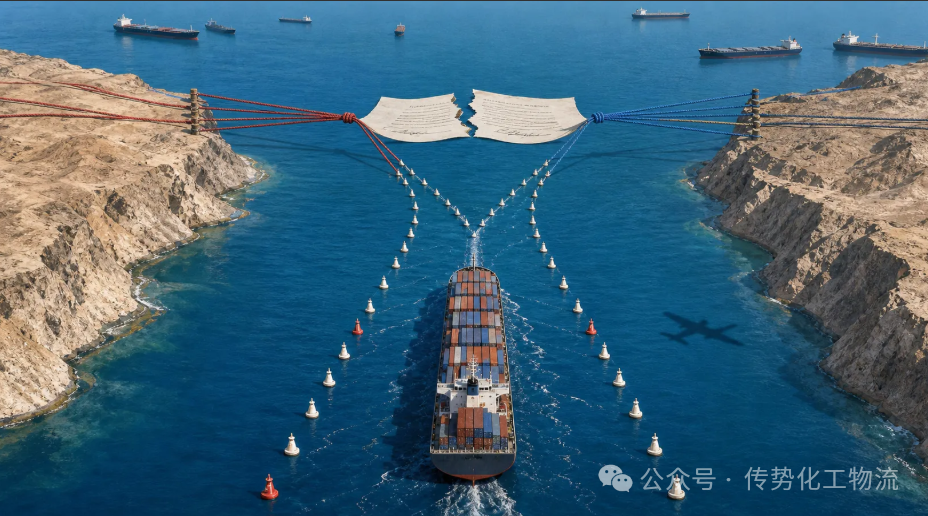
Image source: Tencent
Overview
On June 25, another emergency occurred in the Strait of Hormuz, which had just resumed navigation — a Singaporean cargo ship was struck by an unknown projectile in the Gulf of Oman, damaging its bridge. The International Maritime Organization (IMO) has urgently announced a suspension of evacuation operations for stranded vessels. This world's most critical energy and cargo transportation corridor has once again sounded the safety alert. For freight forwarders, the more realistic issue is that war surcharges and insurance fees may rise again......
PART.01

A cargo ship was attacked, and the security situation in the strait reversed overnight
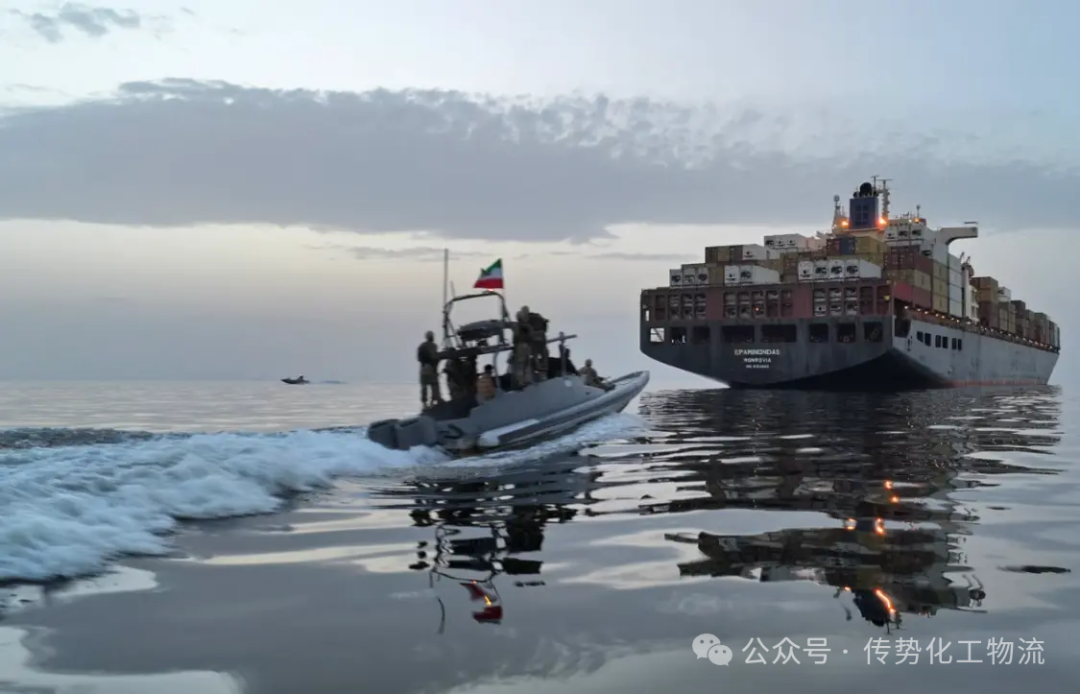
Image source: Red Star News
On June 25 local time, a cargo ship flying the Singapore flag was struck about 7.5 nautical miles southeast of Amanda Hit. The UK Office for Maritime Trade Operations reported that the ship's bridge was damaged, but fortunately, there were no casualties. U.S. officials accused Iran of carrying out the attack, while Iran responded firmly: ships that do not follow designated routes cannot guarantee safety.

PART.02
Impact: freight rates, premiums, surcharges
1. War Risk Premiums: Just Lowered and Then Rising?
Before the attack, following the signing of a memorandum of understanding between the US and Iran, the risk insurance rate for war in the strait had dropped from 4.5%-6% to 3%-4%. However, the latest attacks indicate that navigation order is far from restored. Some insurance companies pointed out that the average premium for ships once reached about $500,000 per day. If the situation escalates again, a rebound in premium increases is inevitable.
2. War surcharges: Shipping companies may increase them at any time
Several liner companies had previously imposed war risk surcharges on Persian Gulf-related routes, with standard container charges reaching as high as 1,500-4,000 USD/TEU. Since March this year, Hapag-Lloyd has imposed a WRS surcharge of 1,500 USD/TEU for a standard container on Middle East routes, and up to 3,500 USD/TEU for refrigerated and special containers. Xeneta's chief analyst warned that as long as the strait is not fully open, freight rates will continue to rise for at least another four weeks.
3. Space constraints and cost transmission
Since the end of February, freight rates have surged sharply, with Far East to West Coast and East Coast routes rising by 192% and 158%, respectively. Meanwhile, daily VLCC rental rates once soared to nearly $470,000. This means that dangerous goods container transport via Middle East-related routes may face triple pressures such as rising freight rates, surcharges, and insurance premiums.
PART.03

Advice for clients

Lock the cabin in advance to avoid the risk of surcharges surging
Currently, the situation in the Strait of Hormuz is volatile, and several shipping companies have announced or are considering raising war risk surcharges. Customers on Middle East and Far East routes are advised to book 3-4 weeks in advance, lock in space and rates, and avoid cost loss due to last-minute price increases.

Pay attention to changes in insurance terms and update your policy in a timely manner
After the strait attack, several insurance companies have reassessed the war risk level in the area. It is recommended that customers proactively contact insurance companies to confirm policy coverage, and if necessary, purchase additional war insurance or expand coverage areas to ensure full protection of cargo risks while in transit.

Reserve a freight rate fluctuation budget to adjust shipping pace
Since the end of February, freight rates have surged sharply, with the US West Coast and East Coast routes rising by 192% and 158%, respectively. In the current highly volatile environment, it is recommended that customers reserve some room for freight price fluctuations when quoting trade and flexibly arrange shipping times based on freight rate trends to balance cost and timeliness.
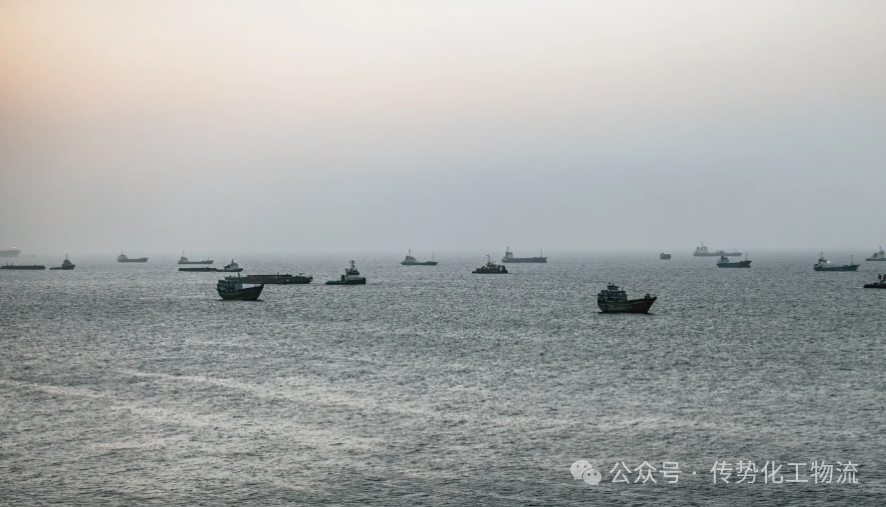
The situation in the strait is far from stable, and fluctuations in freight rates and surcharges may become the norm in the coming weeks. We will continue to monitor developments and bring you the latest industry updates as soon as possible~


