




TRANSFORCE
01
Shipping: Broad gains, landscape reshaping

01
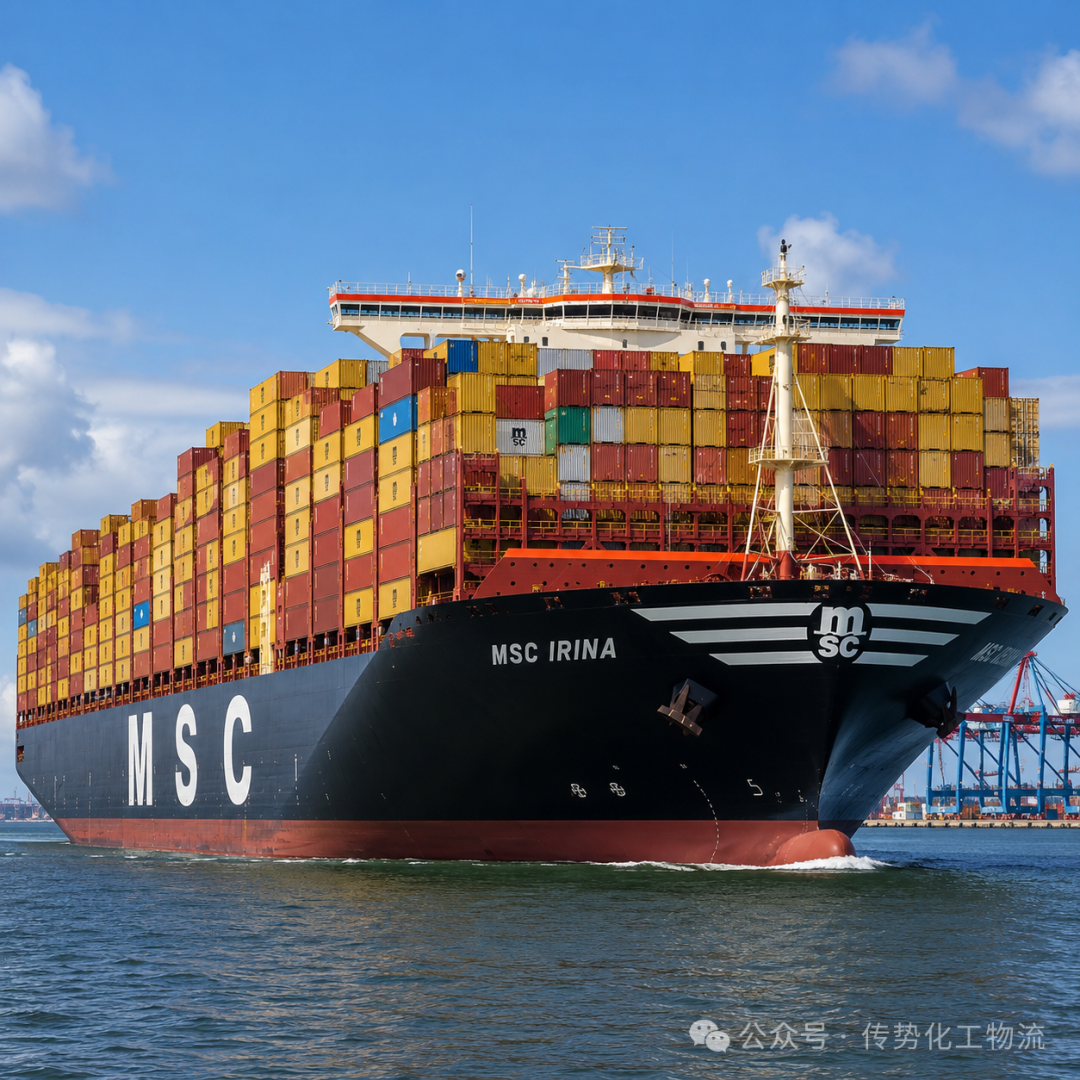
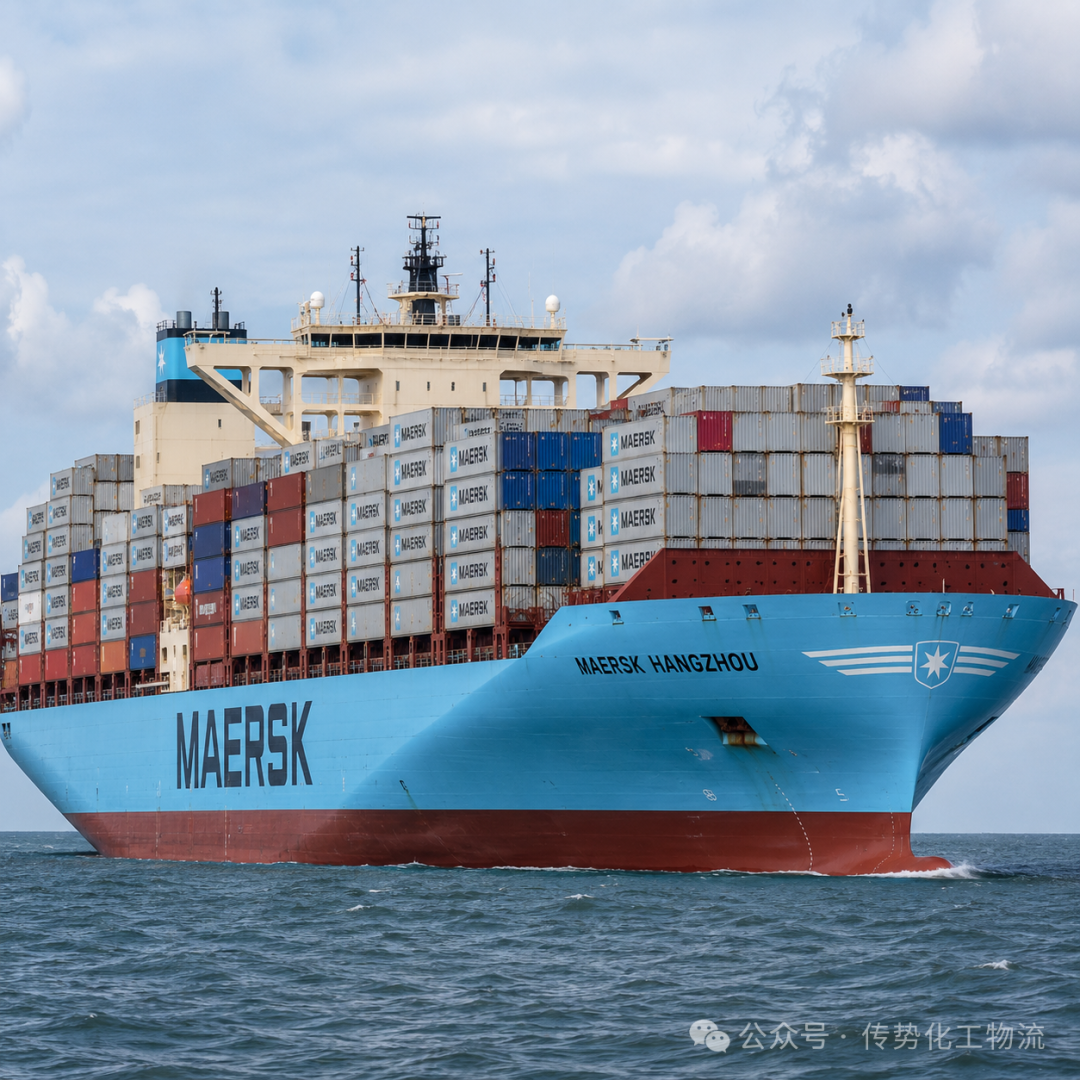
In the first week of June, the Drewry World Container Index (WCI) surged 23% month-on-month to $3,433 per FEU. This is the largest single-week increase since 2026.
Three Key Factors for Gains:
Tariff adjustment expectations: The US is about to finalize its new round of tariffs on China, and importers are rushing to ship early.
Advance stock in Europe and America: Prepare for the peak season in the second half of the year (Black Friday, Christmas).
Shipping companies proactively raise prices: Leading liner companies are intensively imposing peak season surcharges (PSS), with another round of increases expected starting mid-June.
02
Compared to rising freight rates, the certainty of slot and sailing schedules has become an even bigger challenge.
Capacity idle rate is at a historic low: global idle container ship capacity accounts for only 0.6% of total capacity. This means almost every available ship is running, with almost no "spare boats."
Schedule Accuracy Just Over 60%: In March, global liner schedule reliability barely rebounded to 62.2%, with nearly 40% of vessels still delayed.
Average delay of 5.48 days: Directly pressured factory production scheduling and overseas inventory management.
TRANSFORCE
02
Air freight: Price correction, green opportunities

01
In stark contrast to the "nonstop rise" in ocean freight, the international air logistics market has gradually stabilized since June, Shanghai export air freight prices have continued to fall, fuel surcharges have also been reduced, and space tightness has clearly eased.
For high-value, time-sensitive goods (such as electronics, auto parts, medical equipment, and cross-border e-commerce parcels), air freight is currently improving its cost-effectiveness.
02
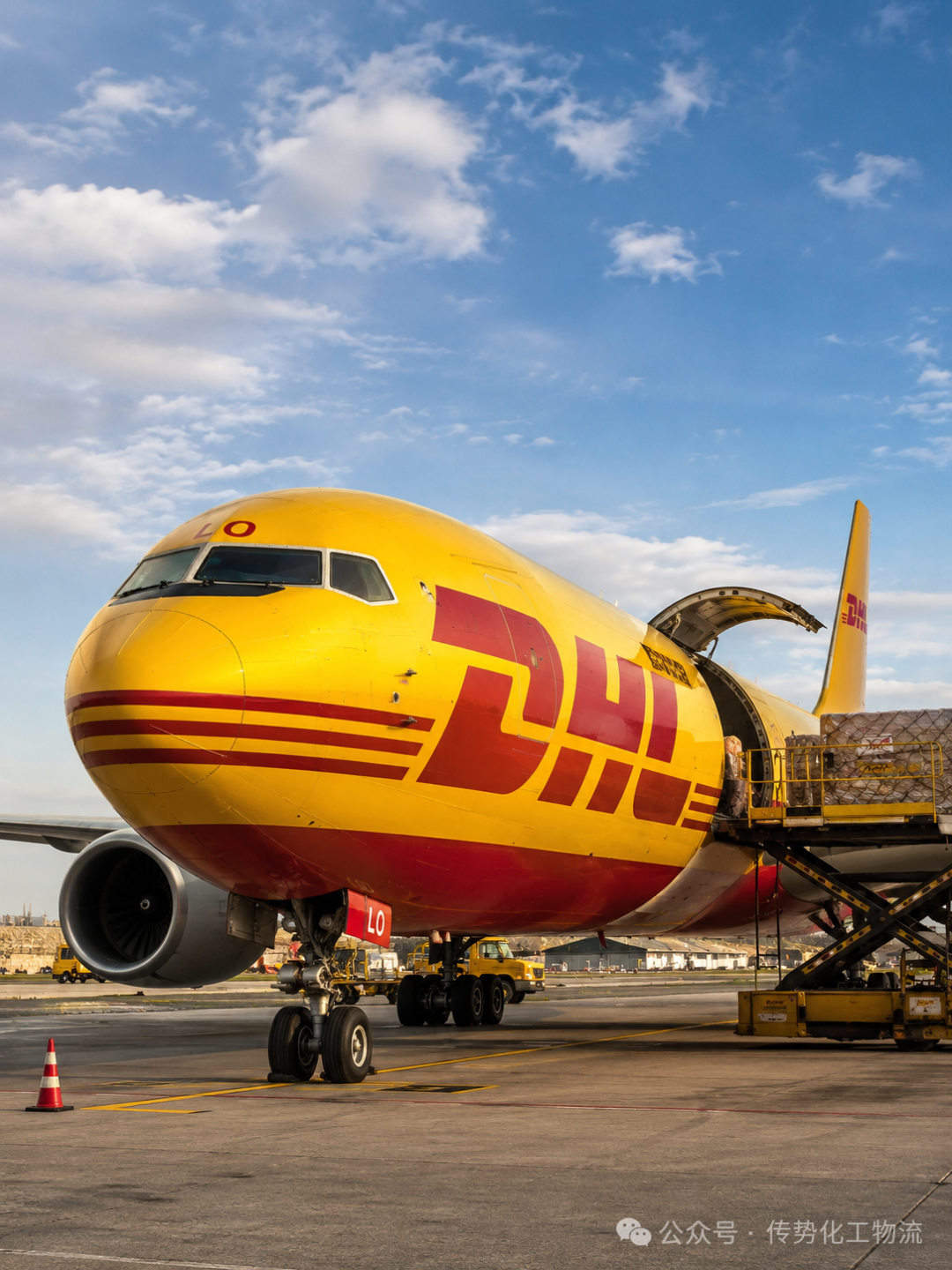
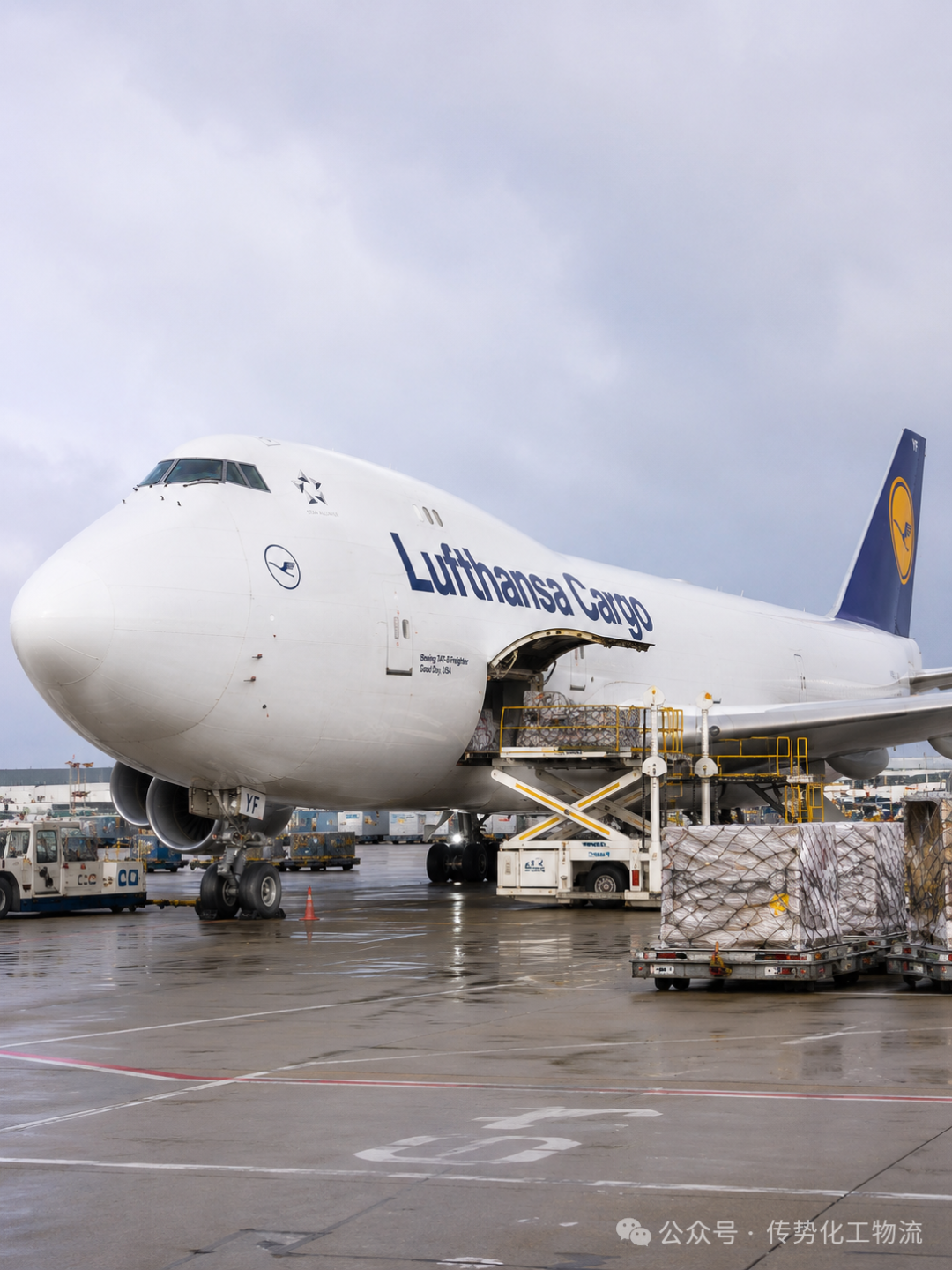
Capacity expansion: On June 11, Eastern Airlines Logistics received its 20th Boeing 777F freighter, continuing to expand its all-cargo fleet. DHL and Lufthansa are also ramping up their cargo aircraft layout.
Fuel costs dropped sharply: In June, the average price of aviation kerosene was 9,738 yuan/ton, down 15.3% month-on-month. This is the direct reason for the reduction in air freight surcharges.
Shanghai Green Air Transport Policy: Shanghai Airport, in collaboration with IATA, is advancing the "Trusted Community for Dangerous Goods Transport" project, which is expected to greatly improve customs clearance efficiency for sensitive goods such as lithium batteries when leaving Shanghai in the future.
Comprehensive Recommendations:
✅ Lock the cargo 3–4 weeks in advance for sea freight;
✅ Confirm shipping company acceptance policies in advance for hazardous goods exports;
✅ For orders with high timeliness requirements, sea-air combined transport or air freight options can be considered;
✅ Focus on the July U.S. route annual contract negotiation results, which will directly affect freight rate trends in the second half of the year;
✅ Special goods such as lithium batteries, pesticides, flavors, and fragrances are recommended to undergo compliance reviews and plan transportation plans in advance.


